
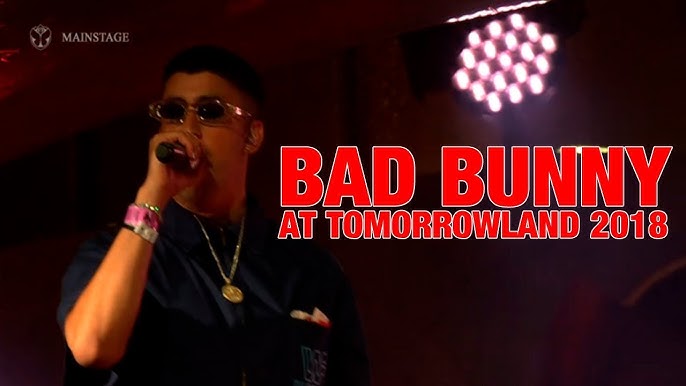
In the history of global electronic dance music, certain performances transcend the moment and redefine the direction of an entire industry. One of those moments unfolded at Tomorrowland 2018 in Boom, Belgium, when global Latin superstar Bad Bunny made a surprise appearance during Alesso’s Mainstage set. What began as a buzz-worthy guest spot quickly evolved into a defining cultural milestone — a moment widely regarded as an early signal of Latin music’s explosive rise within the global festival ecosystem.
Today, that performance stands as more than a surprise cameo. It represents a pivotal turning point in how major festivals embrace cross-genre collaborations, global sounds, and cultural fusion — reshaping the future of live music experiences.
Tomorrowland’s Global Influence and the Weight of the Mainstage
Few festivals carry the cultural authority of Tomorrowland. Known for its elaborate stage production, international audience, and uncompromising focus on electronic music culture, the Belgian festival has long served as a barometer for where global dance music is headed.
The Tomorrowland Mainstage is not simply a performance platform — it is a global spotlight capable of launching careers, defining trends, and shaping industry direction. Artists who perform there are not just entertainers; they become part of dance music history.
When Alesso stepped onto the Mainstage during Weekend 1 of Tomorrowland 2018, expectations were already high. The Swedish progressive house icon had built a reputation for emotional melodies, cinematic drops, and festival anthems that unite massive crowds. But what followed approximately 24 minutes into his set would create one of the festival’s most talked-about moments.
The Surprise That Shocked the Festival: Bad Bunny’s Tomorrowland Debut
Without prior announcement, Bad Bunny emerged on stage alongside Alesso, marking his first appearance at Tomorrowland. At the time, the Puerto Rican artist was rapidly ascending in global popularity, but his presence at one of the world’s most EDM-centric festivals represented a bold crossover moment.
The collaboration centered around the Alesso Remix of “I Like It,” the global smash originally performed by Cardi B, Bad Bunny, and J Balvin. The track — already a chart-dominating hit — took on new energy through Alesso’s festival-ready production, blending Latin trap and reggaeton influences with soaring electronic rhythms.
For Tomorrowland’s massive international audience, the performance delivered something unprecedented: a seamless intersection of Latin urban music and big-room festival energy.
The significance was immediate. This was not simply a guest vocal appearance — it was a symbolic merging of two global music movements.
“I Like It” Reimagined: A Cross-Genre Performance
The live performance of “I Like It” at Tomorrowland offered a powerful example of how genre boundaries were beginning to dissolve. Alesso’s progressive house structure transformed the track into a euphoric festival anthem, while Bad Bunny’s presence injected raw energy, global appeal, and cultural authenticity.
The moment highlighted several evolving dynamics in live music:
- The blending of Latin rhythms with electronic production
- The growing influence of global urban sounds in traditionally EDM spaces
- The shift toward festival programming that reflects worldwide music consumption
- The emergence of collaborative performances as cultural statements rather than simple features
What unfolded on stage was a preview of a future where global pop, Latin music, and electronic dance music would increasingly coexist within the same festival ecosystem.
The Crowd Reaction: A Divided Yet Defining Response
One of the most fascinating aspects of the performance was the audience reaction. Tomorrowland crowds are known for their passionate dedication to electronic music culture, and the unexpected genre shift created a moment of cultural tension.
Many attendees embraced the surprise, celebrating the energy and novelty of the collaboration. The performance delivered high excitement, massive sing-along moments, and a clear sense of witnessing something historic.
However, some purist ravers expressed confusion or criticism, questioning the presence of a Latin trap artist on the festival’s most prestigious stage. For traditionalists, the performance challenged long-held expectations about what Tomorrowland represented.
This split reaction ultimately reinforced the performance’s significance. Cultural evolution often arrives through disruption, and the debate surrounding Bad Bunny’s appearance underscored a broader transformation already underway within the global festival landscape.
A Cultural Turning Point for Global Festival Programming
Looking back, the 2018 performance is widely cited by fans and music historians as an early indicator of how major festivals would evolve in the years that followed. Since then, global festival lineups have increasingly embraced diversity in sound, featuring artists from Latin, hip-hop, Afrobeat, and international pop backgrounds alongside traditional electronic acts.
Tomorrowland itself has expanded its musical scope, reflecting shifting global listening habits and the growing importance of international audiences.
Bad Bunny’s appearance demonstrated that festival stages could serve as platforms for cultural exchange, not just genre-specific showcases. It signaled that the future of live music would be defined by inclusivity, collaboration, and global influence.
The Full Circle Moment: From Guest Appearance to Global Icon
In recent years, the Tomorrowland 2018 performance has experienced renewed attention across social media, where fans revisit the moment as a “full circle” milestone in Bad Bunny’s career.
At the time of his Tomorrowland debut, he was a rising force within Latin music. Today, he stands as one of the most dominant global artists of his generation — breaking streaming records, headlining major festivals worldwide, and reaching unprecedented cultural influence, including a historic Super Bowl halftime appearance.
The contrast highlights how Tomorrowland’s surprise guest moment foreshadowed his extraordinary ascent. What once appeared as an experimental crossover now reads as a preview of a new global music era.
The Evolution of the EDM Festival Experience
The broader implications of the performance extend beyond a single artist or festival. It reflects a fundamental transformation in how audiences experience live music.
Modern festivalgoers increasingly seek:
- Diverse sonic experiences
- Cross-genre collaborations
- Global cultural representation
- Boundary-pushing performances
- Unexpected live moments
Bad Bunny’s appearance during Alesso’s set embodied all of these elements, helping redefine expectations for what a festival Mainstage performance could deliver.
Why the Tomorrowland 2018 Moment Still Matters
Years later, the cultural relevance of this performance continues to grow. It represents a pivotal moment when electronic music culture opened its doors wider to global sounds — not as a temporary trend, but as a lasting shift in artistic direction.
The performance also serves as a reminder of how live music moments can capture the early stages of cultural transformation. What initially sparked debate ultimately helped shape the modern festival landscape.
In hindsight, the collaboration stands as:
- A landmark crossover between EDM and Latin music
- A signal of shifting global music power dynamics
- A defining chapter in Bad Bunny’s rise to superstardom
- A blueprint for future festival programming
- A milestone in Tomorrowland’s evolving identity
The Legacy of a Defining Tomorrowland Performance
The surprise appearance of Bad Bunny during Alesso’s Tomorrowland 2018 Mainstage set remains one of the most significant crossover moments in festival history. It marked a turning point in global music culture — where genre barriers weakened, cultural boundaries blurred, and the future of festivals became more inclusive and internationally driven.
As festivals continue to evolve and global music movements reshape the industry, the echoes of that night in Boom, Belgium continue to resonate. The performance was not just a moment of surprise — it was a declaration that the future of live music belongs to collaboration, diversity, and global sound.